That’s why businesses need smarter, kind of more thought-through systems instead of random tactics. The strongest lead generation strategies 2026 aren’t about chasing traffic everywhere. They’re more about pulling in the right audience, steering them properly, and then converting them consistently.
A lot of businesses still waste time trying things without structure. One week they focus on social media, the next week they run ads, then suddenly switch to email campaigns. Nothing compounds because nothing is connected.
This guide breaks down 15 strategies that are actually working in 2026. Not theories. Not recycled advice. Real approaches businesses are using right now to bring in qualified leads more consistently.
Build Intent-Focused Landing Pages
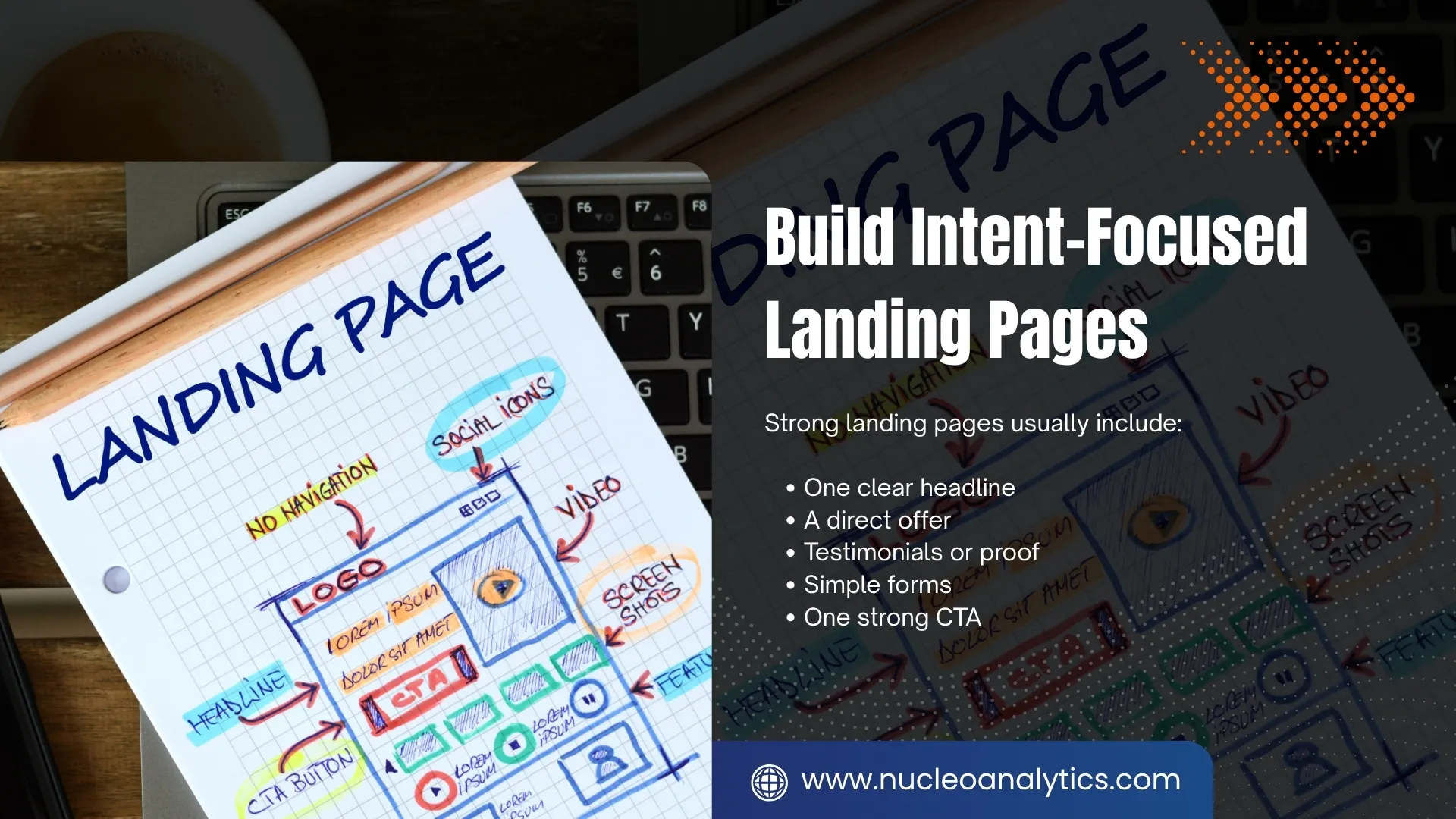
Most websites still send paid traffic to their homepage, which is usually a mistake. Homepages try to explain everything at once. Good landing pages focus on one goal only. If someone clicks an ad for a free consultation, the page should focus entirely on that consultation. No distractions. No unnecessary links. No confusing messaging.
Strong landing pages usually include:
- One clear headline
- A direct offer
- Testimonials or proof
- Simple forms
- One strong CTA
This sounds basic, but small improvements here often increase conversions faster than increasing ad spend.
Use SEO to Capture High-Intent Traffic
SEO still works extremely well when done properly. The difference now is that search engines reward usefulness much more than keyword stuffing. Businesses that consistently generate leads online through SEO focus heavily on solving real problems. Instead of writing generic blogs, they create pages answering specific questions potential customers are already searching for.
For example, instead of writing:
“Best CRM Software”
A stronger page would target:
“How to Choose a CRM for a Small Service Business”
Specific intent usually converts better because the audience is clearer.
Create Industry-Specific Lead Magnets
Generic lead magnets rarely work anymore. People have downloaded enough “ultimate guides” already. In 2026, the best lead magnets are usually super specific, and like right away useful, not just “interesting”. Think of calculators, templates, checklists that you can actually run through, mini audits, or even resources that are built for one industry only.
Effective lead magnets often include:
- ROI calculators
- Strategy templates
- Budget planners
- Audit checklists
- Quick assessment tools
The more practical the resource feels, the more likely users are to exchange their contact details for it.
Build a Retargeting Funnel
Most visitors don’t convert immediately. They browse, compare, get distracted, and leave. That doesn’t mean they are lost. Retargeting brings them back. This is one of the best lead generation strategies because it focuses on people who have already shown interest once. They are warmer than completely cold traffic. Good retargeting campaigns usually work better when:
- Ads match the original page they visited
- Messaging feels consistent
- Offers become slightly stronger over time
- Landing pages stay simple and focused
Businesses that ignore retargeting usually leave a large percentage of potential leads behind.
Use LinkedIn for Relationship-Based Outreach
Cold outreach still works, but only when it feels kinda human, not like some machine screaming. And honestly, LinkedIn has become one of the most solid places for B2B relationship building, because people now expect professional discussions there, almost by default. Doing strong LinkedIn B2B lead generation is less about hard selling and more about positioning yourself like a credible guide, useful in a low-key way, even before someone buys anything.
A simple process works best:
- Connect with relevant people
- Engage with their content naturally
- Share useful insights consistently
- Start conversations gradually
Most businesses fail here because they pitch too early. Relationships convert better than scripted sales messages.
Focus on Conversion Optimization Before Scaling Traffic
A lot of businesses immediately try to increase traffic when results are weak. But often the real issue is conversion. If your website converts poorly, more traffic just means wasting more money. Before scaling campaigns, improve:
- Page speed
- Form simplicity
- CTA clarity
- Mobile responsiveness
- Offer positioning
Even a small increase in conversion rate can dramatically improve lead quality and profitability over time.
Run PPC Campaigns With Better Audience Segmentation
Many businesses still target broad audiences in paid campaigns. That approach becomes expensive quickly. In 2026, strong PPC lead generation campaigns depend on segmentation. You can't just hit everyone with the same message, because different audiences need different wording, or else the whole thing feels kind of flat and, well, less effective.
For example:
- First-time visitors need education
- Warm visitors need proof
- Returning visitors may need urgency
This is where a strong ad targeting strategy becomes critical. Better targeting often matters more than increasing the budget.
It’s also important to get PPC vs CPC straight. PPC is basically the advertising model, while CPC is what tells you how much you pay per click. When those two things start to blend together, it usually turns into bad budgeting calls, like yeah, you end up thinking one number is the other.
Publish Comparison and Decision-Making Content
People search differently when they are close to making a decision. They stop searching broad topics and start comparing options. This is why comparison content performs so well.
Examples include:
- Tool comparisons
- Agency comparisons
- Product alternatives
- “Best for” articles
- Pricing breakdowns
This type of content usually attracts warmer leads because users are already evaluating solutions.
Need a clearer system for turning traffic and outreach into qualified leads?
Create Short Educational Video Content
Short-form video continues to grow because it is easier to consume quickly. But businesses often approach it the wrong way by focusing only on trends instead of value. Educational videos perform better long-term because they build trust and authority gradually. Useful topics include:
Quick tutorials
Common mistakes
Process explanations
Industry myths
Before-and-after breakdowns
Consistency matters more than perfect production quality here.
Use Multi-Step Forms Instead of Long Forms
Long forms often reduce conversions because they feel overwhelming immediately. Multi-step forms work better because they break the process into smaller actions. People are more likely to continue once they start answering. A strong setup usually begins with simple questions first, then gradually asks for more details later in the process. This strategy often improves both lead volume and lead quality at the same time.
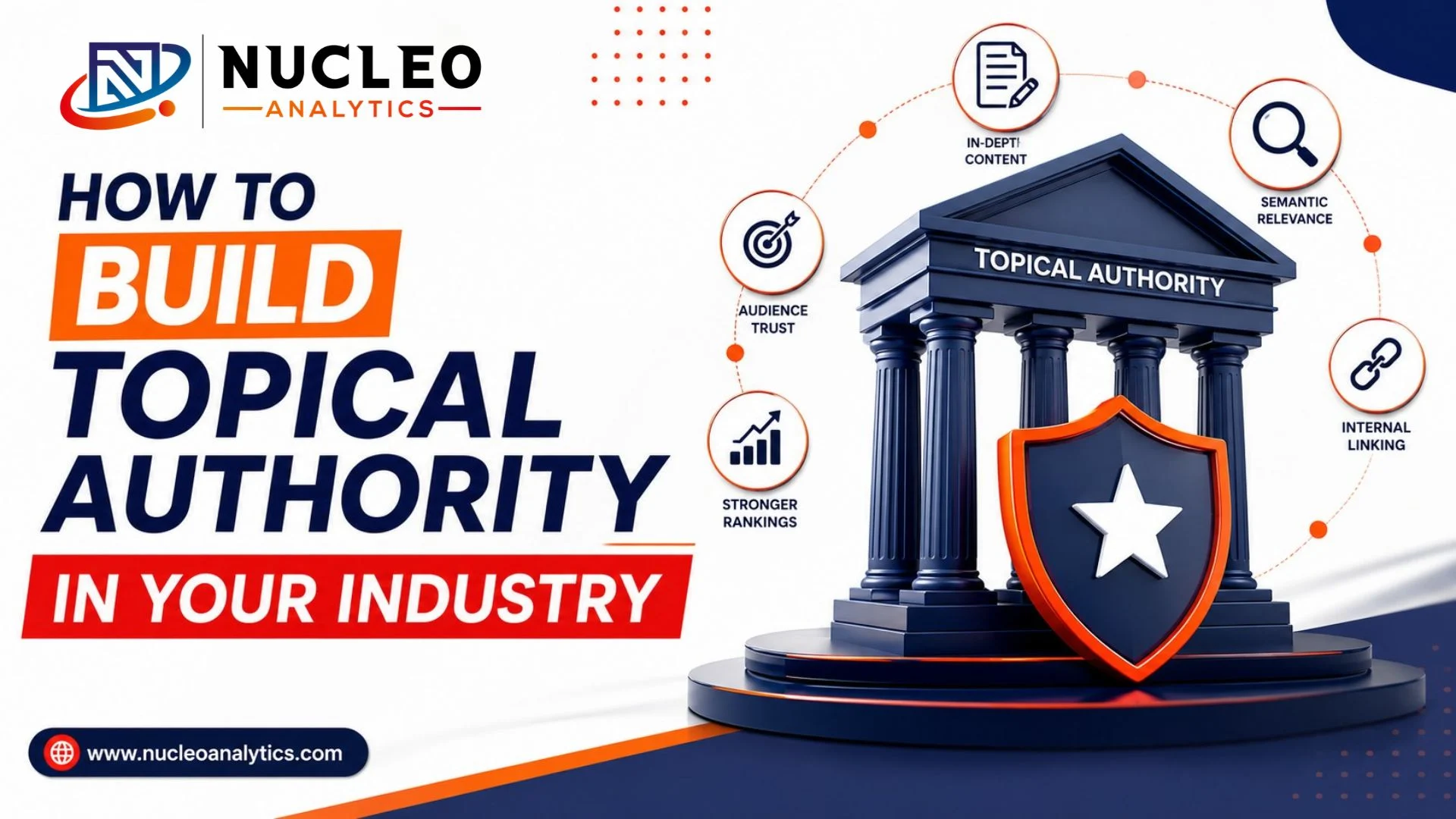
Build Topical Authority Instead of Random Content
Search engines and AI systems now evaluate authority more deeply. Publishing random articles without structure rarely performs well anymore. Businesses generating steady organic leads usually focus on building topic clusters around their expertise. For example, instead of publishing unrelated marketing articles, a business might create connected content around:
SEO
Paid ads
Conversion optimization
Lead funnels
Customer acquisition
This strengthens trust and improves visibility over time.
Use Email Sequences Instead of One-Off Emails
Most leads are not ready immediately. That’s normal. What matters is staying visible without becoming annoying. Automated email sequences help guide leads gradually toward conversion.
A simple sequence may include:
Welcome email
Educational insights
Case studies
Common objections
Final CTA
Businesses often underestimate how much consistent follow-up affects conversions.
Add Social Proof Everywhere
People trust other people more than marketing copy.
Reviews, testimonials, screenshots, client results, and case studies reduce hesitation because they provide proof that your offer works for real customers.
Good social proof includes:
- Specific outcomes
- Real names and businesses
- Before-and-after improvements
- Industry relevance
This becomes even more important in competitive industries where trust is harder to build quickly.
Create Interactive Tools and Calculators
Interactive tools work extremely well because they give users personalized value immediately.
Examples include:
- Cost calculators
- ROI estimators
- Audit tools
- Assessment quizzes
- Strategy planners
These tools naturally encourage engagement while helping businesses collect highly qualified lead information. They also tend to attract backlinks and improve SEO visibility over time.
Combine Organic and Paid Channels Together
Businesses often separate SEO and paid advertising too much. In reality, the strongest lead systems combine both. SEO builds long-term visibility. Paid ads generate faster testing and immediate traffic.
When used together:
- Paid campaigns reveal high-converting keywords faster
- SEO content lowers long-term acquisition costs
- Retargeting improves overall conversions
- Brand familiarity increases trust
This combined approach usually creates more stable growth than relying on one channel alone.
How We Help Businesses Build Better Lead Systems at Nucleo Analytics
At Nucleo Analytics, we’ve seen one major pattern repeatedly — most businesses don’t actually have a lead generation system. They have disconnected tactics. Some run ads without conversion tracking. Others publish content without a clear funnel. Many businesses invest in traffic while ignoring what happens after users arrive. We approach things differently.
Instead of focusing only on traffic numbers, we build complete systems designed around conversion, qualification, and long-term scalability. That includes understanding audience behavior, improving funnels, refining messaging, and continuously optimizing performance based on real data.
Our work usually combines:
- SEO for long-term visibility
- Paid campaigns for immediate lead flow
- Landing page optimization for conversions
- Retargeting systems for follow-up
- Content strategies that build trust over time
We also focus heavily on quality over vanity metrics. High traffic means very little if the leads are poor. The goal is sustainable lead generation, not temporary spikes. Businesses looking for a reliable lead generation service in the US often struggle because many agencies focus on activity instead of outcomes.
We focus on building systems that continue improving over time rather than relying on short-term tactics that stop working quickly. That difference becomes very noticeable after a few months of consistent optimization.
Conclusion
Lead generation in 2026 is less about finding shortcuts and more about building systems that actually work together.
The strongest lead generation strategies 2026 focus on intent, trust, structure, and consistency. Businesses that continue relying on random tactics usually struggle because nothing compounds properly over time.
What works now is much more practical:
Better landing pages
Smarter targeting
Useful content
Strong follow-up
Clear positioning
Small improvements across multiple areas often create much bigger results than chasing one “secret” tactic.
The businesses growing consistently today are not necessarily doing more than everyone else. They are simply executing the right strategies more clearly and more consistently.