
company logo
company logo
  • home
  • Services
    • SEO
    • Social Media Marketing
    • Google Ads
    • Reputation Management
    • International SEO
    • Local SEO Service Agency
    • Custom Website Development
    • Mobile-Application-Development
  • Outsource
    • SEO Outsourcing Agency in India
    • SEO Consultant India
    • SEO Reseller Services
  • Testimonials
  • Case Studies
  • FAQ
  • Blog
Contact Us
company logo

Helping businesses grow through strategic Digital Marketing, Custom Website and Mobile App Development, AI, and Innovative technology solutions that deliver measurable, long term results.

Follow us :

FacebookInstagramPinterestlinkedinYoutube

Quick Links

  • Home
  • Services
  • Testimonials
  • Case Studies
  • FAQ
  • Blog
  • Contact Us

Services

  • SEO
  • Social Media Marketing
  • Google Ads Services
  • Reputation Management
  • International SEO
  • Local SEO Service Agency
  • Custom Website Development
  • Mobile Application Development

Policy

  • Terms of Service
  • Cancellation & Refund Policy
  • Support
  • Privacy Policy

Contact Info

  • 1688 Sector 82, JLPL Industrial Area, Sahibzada Ajit Singh Nagar, Punjab 140308, India
  • +91-959-209-7054
  • info@nucleoanalytics.com
©2026 Nucleo Analytics.All Rights Reserved.
Terms of usePrivacyRefunds & Returns

Wix vs WordPress vs Shopify

Picking a website builder sounds simple, right up until you actually have to choose one in the Wix vs WordPress vs Shopify debate. Every platform says basically the same thing. Fast setup, easy to use, great for SEO, perfect for businesses, no coding needed. Then suddenly, you are three hours deep into YouTube comparisons, Reddit arguments, and blog posts that all contradict each other.

Wix vs WordPress vs Shopify
Picking a website builder sounds simple, right up until you actually have to choose one in the Wix vs WordPress vs Shopify debate. Every platform says basically the same thing. Fast setup, easy to use, great for SEO, perfect for businesses, no coding needed. Then suddenly, you are three hours deep into YouTube comparisons, Reddit arguments, and blog posts that all contradict each other. 
Reality is, Wix, WordPress, and Shopify are built for completely different situations. What works great for one business can turn into an absolute pain in the ass for another a few months later, once the site starts growing.
That is why this conversation matters more than people think.
If you are building a business website, especially one that needs traffic, leads, and actual growth, your platform choice affects everything. It affects your SEO, your speed, your customer experience, and, honestly, how much frustration you deal with later when your business starts growing.
So instead of giving you the usual polished “all platforms are great” answer, let’s talk about the real differences in a way that actually helps.

Understanding what each platform is really meant for

Most people compare features before understanding what these platforms were actually built to do. That is usually where the confusion starts.
Wix was made for simplicity more than anything else. It is for people who do not want to mess with code, hosting setups, or spend weeks figuring out web design just to get a site online. You sign up, move things around, add your content, and the site is usually live pretty fast.
WordPress was built for people who want more control over everything. You can customize almost any part of the website, but that also means you are dealing with hosting, plugins, updates, speed issues, and maintenance either by yourself or with someone helping you.
Shopify was built mainly for ecommerce. Pretty much everything inside the platform is centered around selling products online. The checkout flow, inventory tools, payment setup, and store management are all there to make running an online store easier.
That is why the whole Wix vs WordPress vs Shopify debate can get messy. People compare them as if they are identical tools when they are really built for completely different situations.
A local roofing company, a personal trainer, a clothing brand, and a law office are not going to need the same kind of website setup. That matters.


Wix vs WordPress vs Shopify overview in simple terms

Here's the easiest way to think about all three platforms without overcomplicating it.
Wix feels like renting a fully furnished apartment. Everything is already there. You can move things around, decorate a little, and settle in fast. But once you start wanting major changes, you realize there are limits. This is why it often shows up in website design for small businesses that just need something simple and quick. 
WordPress feels like building your own house. You can design almost anything you want, expand it later, and customize every detail. But you also need to maintain it and understand how the pieces fit together.
Shopify feels like opening a retail store inside a modern shopping center. The selling infrastructure is already built for you, which makes life easier if your entire business revolves around ecommerce.
None of these is automatically “better” than the others. The real question is whether the platform actually matches your business goals. That is the part people ignore way too often.

Wix explained in real terms

Wix got popular because it removed all the technical headaches. No servers, no code, no setup stress, most business owners don’t want to deal with.
You pick a template, drag things around, add your content, and the site is live. Simple enough, and for a lot of small businesses, that is exactly the point.
It works fine for basic stuff like local services, portfolios, or simple business pages. You can get a decent site up without touching code or hiring anyone.
But once you care about SEO, structure, or scaling, it starts to feel boxed in. It’s good at the start, just not built for long-term flexibility.

WordPress explained without hype

WordPress has gained popularity over the years as a complex platform, although it must be noted that many users tend to get confused due to poor implementation of the system.
In simple terms, WordPress offers more freedom than anything else. This is the reason why so many corporations and individuals still prefer this platform to others.
However, unlike Wix, WordPress is not a one-package deal. It requires hosting, themes, plugins, security settings, and backup management. Some users like that. Others despise it.
The reason WordPress dominates SEO conversations is that it gives you full ownership over how your site works.
You can control your structure, optimize speed properly, customize schema markup, improve crawlability, and fine-tune almost every SEO element you can think of.
That becomes a huge advantage if your business depends on organic traffic.
A lot of business owners underestimate how important technical SEO becomes once competition increases. It is easy to rank in low-competition spaces with almost any platform. It becomes much harder when every competitor is investing heavily in search visibility. That is where WordPress starts separating itself.
It also handles content marketing better than the other platforms. Blogging feels more natural, internal linking is easier to scale, and content organization becomes much more flexible over time.
That matters for businesses investing in local seo for small businesses because local visibility usually depends on strong content structure and proper optimization.
WordPress is also stronger when it comes to website image optimization and SEO because you have more control over compression, lazy loading, image formats, and performance plugins. But let’s be honest about the downsides too.
WordPress can absolutely become a mess if it is poorly maintained. Cheap hosting, bloated plugins, and outdated themes can turn a good website into a slow, frustrating one pretty quickly.
That is why setup quality matters so much with WordPress. When it is done right, it is incredibly powerful. When it is done badly, it becomes a headache.

Shopify explained for ecommerce businesses

Shopify knows exactly what it is trying to do, and honestly, that is one reason it works so well for ecommerce.
It is built around selling products. Everything from the dashboard to the checkout process is designed to make online selling easier for business owners.
If you are launching an ecommerce store, Shopify removes a lot of technical problems immediately. Hosting is included, payment systems are integrated, security is handled, and inventory management is already built into the platform.
That simplicity matters when you are focused on sales instead of website maintenance.
A lot of ecommerce business owners choose Shopify because they do not want to spend months dealing with technical setup before selling products.
And to be fair, Shopify does ecommerce extremely well. But outside of ecommerce, it can feel limiting.
Shopify is not great for heavy content SEO. You can still rank, and plenty of stores do, but it is not built for deep SEO work like WordPress is. Things like URL structure and backend control are more limited, which makes big content strategies harder to scale properly.
However, if all you want is to sell products and not build up a content engine at all, then Shopify becomes one of the most convenient and reliable options for operating an online shop.

Wix vs WordPress vs Shopify comparison table

Sometimes, the quickest way to see the differences is to compare them all at once.

Feature

Wix

WordPress

Shopify

Ease of use

Very beginner-friendly

Moderate learning curve

Easy for ecommerce

Customization

Limited

Extremely flexible

Moderate

SEO control

Basic to medium

Advanced

Medium

Technical SEO

Limited

Full control

Moderate

Ecommerce capability

Basic

Strong with plugins

Excellent

Blogging system

Basic

Excellent

Limited

Scalability

Moderate

Very high

High for stores

Maintenance required

Low

Medium to high

Low

Best fit

Small business sites

Growth-focused websites

Online stores

This is usually the point where people realize the answer depends less on “which platform is best” and more on “what kind of business are you actually building.”

SEO differences that actually matter in real business

Seo differences matter
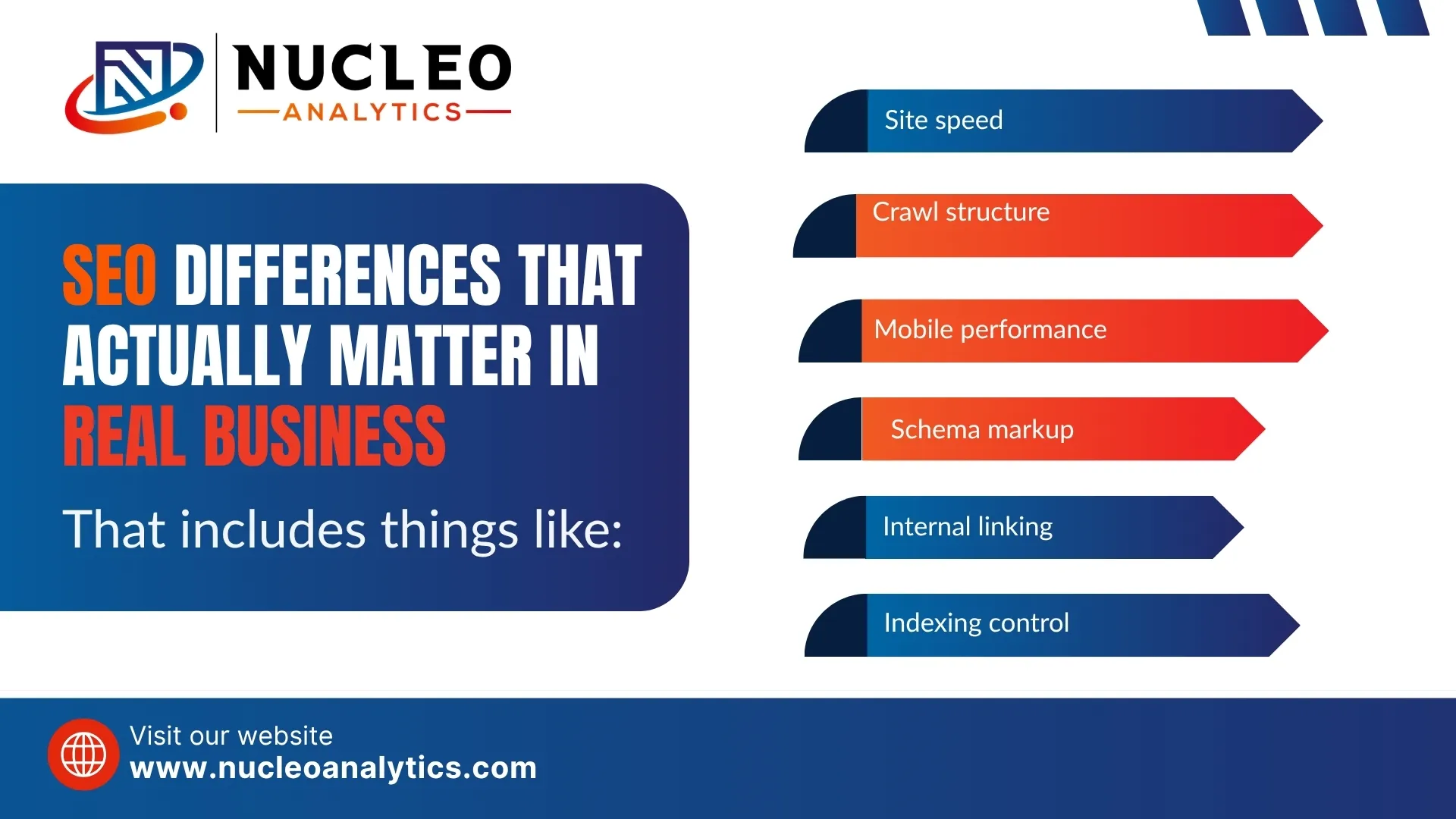
SEO is where these platforms really start separating themselves, especially in the wix vs wordpress for business website decision. A lot of businesses choose platforms based on design templates, but design is only one small part of the equation. If your website cannot attract traffic properly, the nicest design in the world does not help much. Technical SEO becomes important once you move beyond basic websites.
That includes things like:
  • Site speed
  • Crawl structure
  • Mobile performance
  • Schema markup
  • Internal linking
  • Indexing control
WordPress offers you maximum flexibility in this situation. If you know what you are doing, there is almost nothing you cannot do. Wix has certainly progressed much over time, but still retains its simplicity in terms of functionality that does not allow for deep SEO.
Shopify does fine for ecommerce SEO, no doubt. But it still feels more restricted on the backend compared to WordPress. If content and organic traffic matter most, WordPress usually holds up better long-term.

SEO vs Google Ads in real business terms

Most businesses compare Wix, WordPress, and Shopify based on design or ease of use. But the bigger difference usually shows up later through SEO and long-term growth.
Your platform affects things like site speed, mobile performance, content structure, and technical SEO. Those factors directly influence how visible your website becomes in search results.
WordPress gives the most SEO flexibility, which is why growing businesses often prefer it. Shopify works well for ecommerce SEO, while Wix keeps things simpler but more limited as websites expand.
That is why platform choice matters more than people expect. A website that feels easy today can become restrictive later once traffic, content marketing, and search visibility start becoming serious business priorities.

Local SEO for small businesses and why it matters

For local businesses, local SEO can completely change the game. Showing up when someone searches for services in your area is often more valuable than chasing broad national traffic that never converts.
  • WordPress tends to perform better here because it gives more flexibility for creating location pages, structured content, and local optimization strategies.
  • Wix can still work for basic local visibility, especially for very small businesses, but scaling local SEO campaigns becomes more difficult.
  • Shopify only makes sense for local SEO if your business combines ecommerce with physical retail locations.
A properly optimized local website can quietly outperform competitors that spend way more money but never build their search presence correctly. That is why platform choice matters more than people think.

Link building and long-term authority

Link building is still one of the strongest ranking signals in SEO, even though people love pretending it does not matter anymore. When it comes to linkbuilding for small businesses, it is less about chasing random backlinks and more about building content that actually deserves to be linked to. 
The challenge is that good link building usually starts with strong content.
WordPress makes this easier because it was built around publishing and organizing content properly. Blogs, guides, resource pages, and internal linking structures all work naturally within the system.
WordPress just gives more room to build real authority through content that actually earns backlinks over time. Wix and Shopify can still rank, but they feel more limited when you try to scale that kind of strategy. Once competition gets tougher, that difference starts to matter.

Mobile-friendly website design is not optional anymore

Most people are on mobile when they land on a site now. That is just how it is. They’re scrolling in random moments, not sitting at a desk. If the site feels off, they’re gone pretty fast, which is exactly why mobile-friendly website design matters more than anything else.
Wix, WordPress, and Shopify all handle mobile, just differently. Wix keeps it simple, WordPress depends on how it’s built, and Shopify is usually solid for stores. If it does not feel smooth on a phone, nothing else really matters.

Conclusion
At the end of the day, picking between Wix, WordPress, and Shopify is not about which one is “best.” It is about what your business actually needs right now and what it will need later.
Most people only figure this out after they’ve already built the site and started hitting limits they did not expect.
Wix keeps things simple, WordPress gives you control, and Shopify is built for selling. Each one works, just in different situations.

If you want help figuring out the right setup without wasting time or rebuilding later, Nucleo Analytics can sort it out for you.

Table of Contents

  • Understanding what each platform is really meant for
  • Wix vs WordPress vs Shopify overview in simple terms
  • Wix explained in real terms
  • WordPress explained without hype
  • Shopify explained for ecommerce businesses
  • Wix vs WordPress vs Shopify comparison table
  • SEO differences that actually matter in real business
  • SEO vs Google Ads in real business terms
  • Local SEO for small businesses and why it matters
  • Link building and long-term authority
  • Mobile-friendly website design is not optional anymore

Recent Posts

_

SEO Case Study: Ranking a Local Business in 90 Days

Jul 16, 2026

_

How We Increased Organic Traffic by 300%?

Jul 16, 2026

_

DIY Marketing vs Hiring Experts

Jul 16, 2026

_

Local SEO vs National SEO

Jul 16, 2026

_

Why Agencies Outsource Website Development?

Jul 16, 2026

Need Help With Your Ads?

Our PPC experts analyze your campaigns and uncover hidden opportunities to boost ROI.

faq_background

Frequently Asked Questions

Find quick answers to the most common questions our clients ask about our services.

faq illustration
Related Posts
We’re proud to still be working with many of the same people that hired us in our early days.
SEO Case Study: Ranking a Local Business in 90 Days

SEO Case Study: Ranking a Local Business in 90 Days

A strong B2B SEO case study always gives a clear answer. A local business needs a proper plan and consistent effort to achieve a ranking within 90 days. The case study shows how continuous content development, structura…

Read More
How We Increased Organic Traffic by 300%?

How We Increased Organic Traffic by 300%?

Everyone wants more website visitors without paying for each click. That goal became real for one recent client. Organic traffic grew by 300% through clear and focused steps.

Read More
DIY Marketing vs Hiring Experts

DIY Marketing vs Hiring Experts

Most business owners don’t sit around thinking about marketing systems or strategy frameworks. They are usually dealing with customers, operations, staff issues, cash flow pressure, and a hundred small decisions that st…

Read More