
When it comes to running ads online, nothing stays the same for too long. Google loves to roll out changes. Some are small tweaks that most people barely notice. Others completely change how advertisers run their campaigns. One of those big changes was Google’s decision to remove language targeting for Search campaigns.
If you’ve been wondering why Google did this and how it affects your advertising, you’re in the right place. In this blog, we’ll break it down in simple words. No jargon. No fluff. Just straight answers.
And if you’re considering how to adapt to these changes, hiring a Google Ads marketing company can keep you ahead of the curve.
What Was Language Targeting in Google Ads?
Before we dive into why Google removed it, let’s just quickly recap what language targeting even did. Previously, the advertisers could choose the language in which their adverts could be written. E.g., say you were advertising to a Spanish population in the U.S., you would be able to tell Google: show my ads only to those who use Google in Spanish.
Sounds simple, right? But here’s the thing, it wasn’t always accurate. People might use English browsers but still search in Spanish. Or someone might set their device to Spanish, but mostly type queries in English. This mismatch made campaigns messy. That’s where the problem started.
Why Did Google Remove Language Targeting?
1. Search Is Multilingual
Most individuals nowadays blend languages. They may write in English but insert words from their native language. Or they may reside in an area where two or even more languages are generally spoken in everyday life. Language targeting couldn’t cope with that.
2. Intent Focus, Not Language
Google’s change has been obvious: they prefer that advertisers think about intent. What is the individual actually searching for? That is more important than what words they are typing. If a user is entering “buy shoes online barato,” Google would like to display shoe advertisements, not block it simply because of the language option.
3. Machine Learning Can Do the Work
Rather than relying on human choice for which languages advertisers select, Google has now turned to machine learning. Their algorithm can recognize the intent of queries between languages and determine whether your ad is relevant.
What This Means for Advertisers
This may seem frightening, especially when you have relied on language targeting in the past. But here is the truth about that: it is not the world that is ending. As a matter of fact, it can lead to newer opportunities provided you know how to navigate it.
These are things that vary:
Your ads could now reach a broader audience. If somebody searches in more than one language, your ad might still appear.
You have less control by hand. You can no longer limit campaigns by language. That implies that you will have to be wiser in using keywords and ad copy.
More emphasis on location targeting. Since language targeting is no longer available, geo-targeting becomes even more crucial to reach the right individuals.
Need professional assistance with realigning your ad strategy following Google’s changes? Consult our experts today and discover how a leading Google Ads marketing agency can assist you.
How to Adjust to the Shift
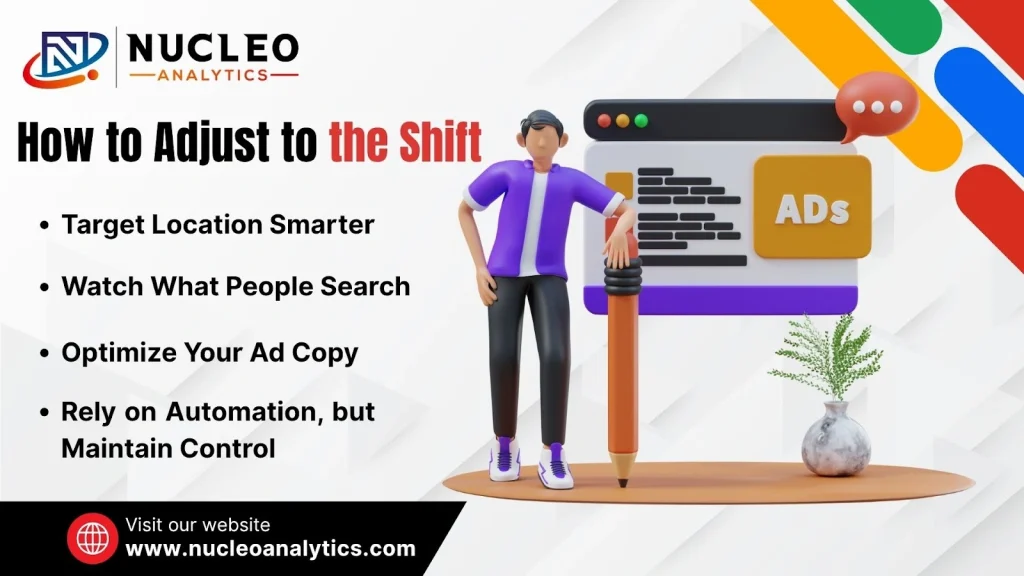
So how do you adjust your campaigns now that language targeting is eliminated? Here are some real-world steps you can apply today:
1. Target Location Smarter
If you can’t target the language, target the location. Target the cities, regions, or countries your audience is in. This way, even if someone changes languages, you know they’re still in your target market.
2. Watch What People Search
3. Optimize Your Ad Copy
If your audience speaks more than one language, think about creating ad copy that indicates that. Even a few words in another language can help your ad become memorable.
4. Rely on Automation, but Maintain Control
Google’s automation is strong, but don’t let it get away from you. Employ intelligent bidding strategies, but continue to test. Change your bids and ads based on actual performance, rather than what Google suggests.
The Role of Keywords Following This Shift
Keywords just got a lot more critical. Because you can’t filter by language, the keywords you target are the primary filter.
- Be concise and specific with your keywords.
- Consider mixed or bilingual searches.
- Employ exact match for high-value keywords to minimize wasted clicks.
If you’ve ever asked yourself, “How do you change language in Google?” or searched for “how can I change the language in Google,” the response is that you cannot do it anymore for ads. The machine doesn’t care about the browser configuration so much anymore. What it cares about is the search.
What About Google AdWords Advertising?
If you’ve been around Google for a while, you may still refer to it as Google AdWords advertising. The title of the service may have shifted to Google Ads, but the concept remains the same: display advertisements to individuals who are actively searching for what you have.
The only difference these days is that you no longer have language targeting as one of the tools in your arsenal. Instead, you have smarter campaigns and improved keyword tactics.
Ads Search Google: The Bigger Picture
Here’s something to remember: when people say ads search Google, what they actually mean is they have faith in Google to display them the most appropriate results. If Google thinks language targeting made results less relevant, it’s no wonder they dropped it.
For advertisers, the work is to ensure their ads continue to align with what people are looking for, regardless of language.
Why Partnering with a Google Ads Marketing Firm Benefits
All of this can seem overwhelming. That’s where partnering with a Google Ads marketing firm saves the day.
They keep up with changes like this.
They are trained to test, adjust, and refine campaigns.
They can assist you in preventing waste and targeting the right audience.
Rather than having to guess what Google’s system will do, you can trust professionals who deal with these changes daily.
Don’t know how to get your campaigns to perform without language targeting? Our experts can make it easy and help get your ads up to speed again. Contact us now.
How Nucleo Analytics Can Help
At Nucleo Analytics, we understand that Google’s updates can be puzzling. You feel like you’ve got the system down, and then they take away a function you’ve been using for years.
It’s precisely why our crew prioritizes simplicity and impact for you. We delve into the data, monitor what’s working, and ensure your ad spend finds its way to where it will have the biggest impact. Whether handling the disappearance of language targeting or trying new methods, we assist companies in adjusting without flagging.
If you seek ads that deliver actual results without worry, our experts are available to walk you through each change Google presents to you.
Conclusion: Turning Change Into Opportunity
Google might have eliminated language targeting, but that doesn’t imply you’ve lost the reins. It just indicates you need to change your focus. Focus more on keywords, location targeting, and ad copy. Let automation take care of it, but monitor your data closely.
To many companies, however, this shift might be a blessing in disguise. You will probably be reaching more people, even those who blend languages in their searches. And with the proper approach, you can convert those clicks into actual customers.
Still doubting what to do, this is where the professional intervention applies. We have helped brands navigate all the transitions made by Google, and we can help you do the same.
So instead of worrying about the past, why not start thinking about what is possible? With Google Ads for small businesses, the opportunities are endless, provided you know how to capitalize on them.
Ready to execute smarter campaigns without the headaches? Talk to Nucleo Analytics, your go-to paid advertising agency, and unlock superior results easily.