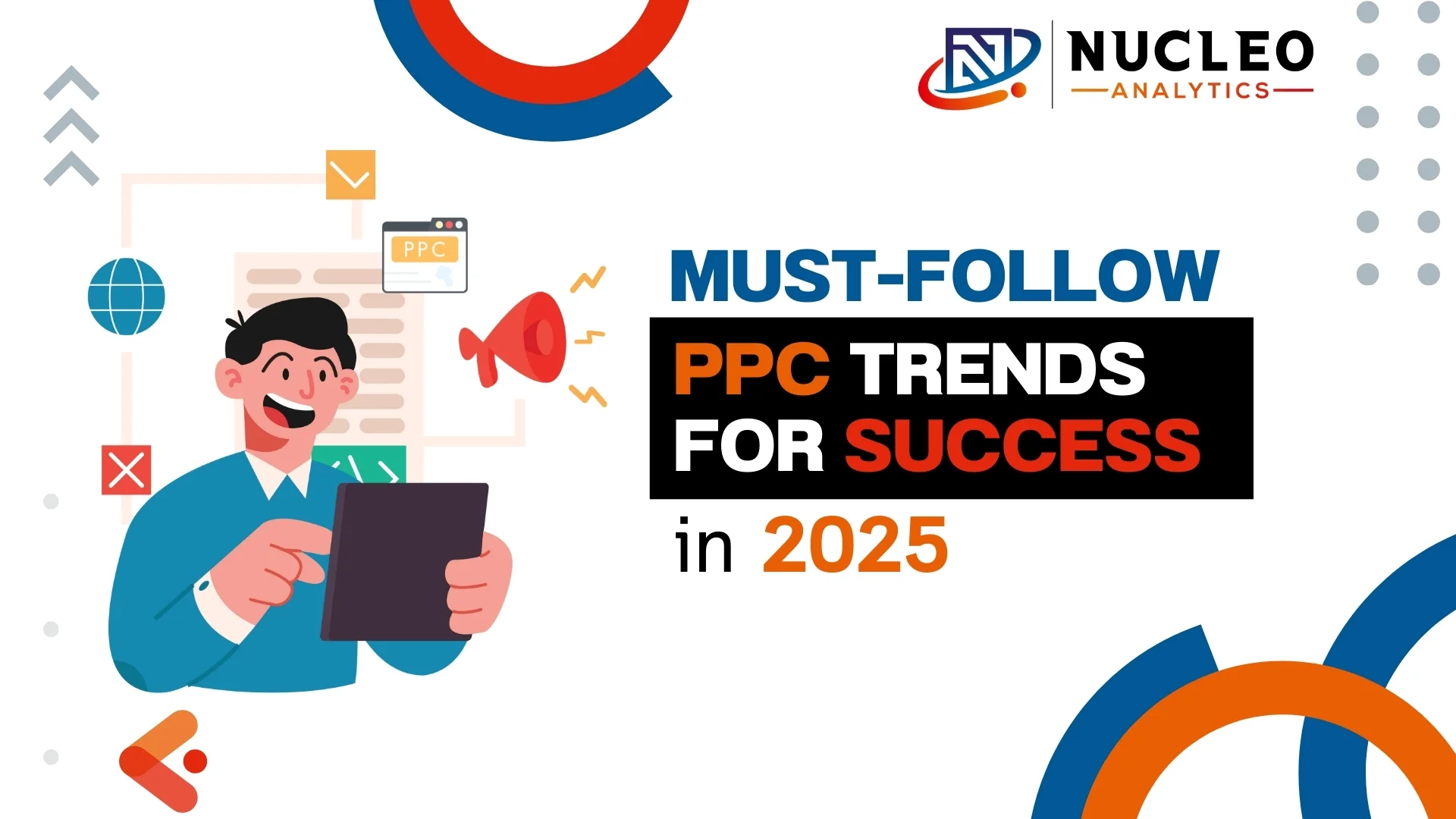
PPC ads are still necessary for every type of business to reach their target audience in this digital world. To stay ahead of the curve, technological advances, changing user preferences, and rigorous privacy standards demand ongoing adaptation. This comprehensive article helps you realize the maximum possibilities of your campaign and ppc advertising strategy by investigating the must-follow PPC trends for 2025.
PPC Trends to Follow in 2025
1. Automation and AI: Revolutionizing PPC Campaigns
Leading PPC innovations include automation and artificial intelligence (AI), which let advertisers maximize campaigns with little human work. AI will not only handle daily chores but also provide insights that guide smarter decisions by 2025.
AI is Changing PPC:
- Advanced Ad Creation: AI systems such as ChatGPT or Jasper may create ad headlines and descriptions customized to user tastes, therefore relieving creative constraints.
- Predictive Analytics: Using past trends, machine learning techniques examine user data to forecast which advertising would most likely be effective.
- Bid Management: To reach marketing targets—such as maximizing conversions within a certain budget—AI dynamically changes bids.
Real-World Application:
A business wondering how to do pay per click advertising can leverage AI-driven Google Ads tools to streamline the process, ensuring efficient and accurate targeting for their Google paid search campaign.
Best Practices:
- Continuously monitor AI recommendations to ensure alignment with your brand voice and campaign objectives.
- Test AI-driven features like Performance Max campaigns for cross-platform optimization.
2. Privacy-First Advertising: Transition to First-Party Data
The move to privacy-first advertising is changing how companies gather and apply consumer information. First-party data becomes crucial for creating meaningful relationships given rules like GDPR and the phasing out of third-party cookies.
Why First-Party Data Matters?
First-party data—which comes straight from your audience via visits to websites, email subscriptions, and purchases—is not like third-party data. Legally compliant, more accurate, dependable data this is.
Techniques to Create First-Party Data:
- Offer Value in Exchange: Use lead magnets—such as eBooks, free trials, or special discounts—to inspire consumers to distribute their data.
- Interactive Content: Make quizzes, polls, or surveys to involve people and get knowledge.
Enhanced CRM Use: Salesforce and HubSpot are two tools that enable you to divide your audience for very customized marketing.
3. Voice Search Optimization: A Game-Changer for PPC
Internet search behavior is evolving as voice assistants like Alexa, Siri, and Google Assistant become more and more popular. By 2025, almost half of all internet searches are expected to be voice searches; consequently, advertising has to adjust its strategies.
Companies should investigate Google AdWords as conversational questions like “how to use Google PPC effectively” predominate in this field and help to optimize their voice search campaigns.
Essential Changes for Voice Search:
Focus on Conversational Keywords: More precisely and naturally than text searches are voice searches. One may do a voice search, “Where can I find the best pizza in New York City?” A text search may be “best pizza NYC.”
Optimize for Question-Based Queries: Add “how,” “what,” “where,” and “why” to your ad content and landing sites.
Emphasize local targeting: Since most voice searches are location-driven, companies really need to include hyperlocal terms.
4. Video Ads: The Unstoppable Force in PPC
With sites like YouTube, TikHub, and Instagram driving unmatched interaction, video content has taken the front stage in digital marketing. Video advertising will account for 82% of all internet traffic in 2025; hence, they are very necessary for your PPC approach.
Types of Video Ads to Consider:
- Short-formed Videos: Perfect for sites like Instagram Reels and TikHub, these ads concentrate on delivering important information in under 15 seconds.
- Educational Videos: Tutorials or how-to manuals stressing the worth of your product will build credibility and power.
- Interactive Ads: Include clickable elements like CTAs or polls to increase engagement.
Pro Tip:
Experiment with YouTube Bumper Ads (6 seconds) for high-impact messaging that captures user attention quickly.
5. Expanding Beyond Google Ads
Even if Google Ads still rules the PPC market, 2025 is the year to vary your advertising initiatives. Other sites, such as Microsoft Ads, Amazon Ads, and TikHub, have special chances to interact with specialized markets.
Why Diversity?
Depending just on Google Ads runs the danger of performance declines brought on by changing algorithms or growing competition. Diversification guarantees a better-balanced advertising strategy and lets PPC ad management services design custom campaigns across several media.
Other Platforms for Investigating:
- Microsoft Advertising: Connect with professionals using LinkedIn.
- Amazon Ads: Ideal for online stores aiming at customers with strong buy intentions.
Social media ads: Reaching younger, visually-oriented audiences is best done on TikHub, Pinterest, and Snapchat.
6. Shoppable and Interactive Ads: Closing the Gap to Conversion
Shoppable advertising lets consumers buy straight from the advertisement, therefore streamlining the buyer’s path. Interactive formats improve user involvement even further; examples include augmented reality (AR).
How to Leverage Shoppable Ads:
- Instagram and Facebook Shops: Integrate your product catalog for seamless in-ad purchases.
- Google Shopping Ads: Showcase product details like price, reviews, and availability.
- YouTube Shoppable Ads: Pair product visuals with “Buy Now” buttons for instant transactions.
Interactive Ad Ideas:
- Use AR Ads to let users virtually try on sunglasses or makeup.
- Create poll-based ads on Instagram to engage users and gather preferences.
7. Hyper-Localized PPC Campaigns
Geo-targeting has been a pillar of successful PPC techniques as local searches like “coffee shop near me” grow more common. Companies that give local advertising first priority in 2025 will attract high-intention consumers right nearby.
Tips for Effective Local PPC:
- Ensure your Google My Business listing is optimized with up-to-date information and positive reviews.
- Include local keywords and “near me” phrases in your ad copy.
- Offer location-specific promotions to drive foot traffic.
8. Zero-Click Searches and Featured Snippets
Zero-click searches—where visitors find answers straight on the search results page (SERP)—are becoming very prevalent. Although this lowers click-through rates, PPC advertisements that copy highlighted parts create brand awareness.
Strategies to Adapt:
- Use structured data markup to increase the chances of your ad appearing in rich snippets.
- Focus on answering common questions in your industry through ad extensions and landing pages.
9. Sustainability Messaging: A Growing Priority
Brands have to mirror these ideals in their advertising as customers grow increasingly ecologically sensitive. Campaigns focused on sustainability appeal, especially to 2025 viewers.
Ideal Practices:
- Emphasize environmental friendly projects such as carbon-neutral shipping or recycling programs.
- Instead of general greenwashing claims, provide real, quantifiable assertions.
10. Advanced Attribution Models
Understanding how customers interact with ads across various touchpoints is critical for optimizing budgets. Advanced attribution models help allocate credit to the most effective stages of the buyer’s journey.
Popular Attribution Models:
- Multi-Touch Attribution: Spreads credit across all interactions.
- Data-Driven Attribution: Uses AI to determine the influence of each touchpoint.
By leveraging these insights, advertisers can refine their campaigns for maximum impact.
11. Omni-Channel PPC Campaigns
From social media to search engines, consumers engage with several outlets during their purchase process. Omni-channel PPC guarantees a consistent message across all touchpoints, therefore offering a flawless experience.
How to apply Omni-Channel Strategies:
- Coordinate efforts on sites including Google Ads, Facebook, and Instagram.
- Re-engage consumers across several platforms via retargeting.
- Analyzing cross-channel performance indicators can help you to evaluate success holistically.
Stronger brand awareness and better conversion rates are the results of an integrated strategy.
12. Advanced Attribution Models: Measuring True Impact
Understanding how each ad interaction contributes to the final conversion is critical for optimizing budgets. Advanced attribution models provide deeper insights into campaign effectiveness.
Types of Attribution Models:
- First-Click Attribution: Gives credit to the first interaction.
- Multi-Touch Attribution: Shares credit across touchpoints.
- Attribution Driven by Data: Finds most significant interactions using artificial intelligence.
By use of enhanced attribution, advertisers may allocate funds to the most successful tactics, therefore guaranteeing an optimal return on investment.
13. Mobile-First Campaigns in a 5G World
As 5G continues to expand, the need for mobile-first PPC strategies grows. Faster internet speeds mean users expect high-quality, seamless ad experiences.
Mobile-First Best Practices:
- Design landing pages optimized for mobile devices.
- Use mobile-preferred ad formats, such as vertical video ads.
- Test ad performance across different screen sizes and devices.
A mobile-first approach ensures your ads perform well in an increasingly mobile-driven world.
14. Dynamic Remarketing: The Power of Relevance
Dynamic remarketing takes retargeting to the next level by delivering personalized ads based on user behavior. This strategy helps re-engage users who may not have converted on their first visit.
How to Use Dynamic Remarketing:
- Showcase products users have viewed or added to their cart.
- Offer exclusive discounts or limited-time offers to encourage action.
- Tailor ad copy to specific user segments for maximum impact.
This targeted approach significantly boosts conversion rates by addressing individual preferences.
Stay Ahead with Expert PPC Management
PPC advertising is more dynamic than ever in 2025 due to new technology, customer behaviors, and privacy rules. Cutting-edge equipment, strategic thinking, and adaptability to market needs are needed to stay ahead.
New trends like automation, AI, voice search optimization, and video advertising may differentiate your efforts. Sometimes it’s hard to perfect these tactics. Business issues include maintaining complicated algorithms and evaluating data across platforms, which demand specific knowledge. Professional PPC campaign management services may make all the difference.
Why Partnering with Experts Is Essential
Good PPC control calls for more than just designing advertisements and changing bids. Calls for:
Improve Your PPC Campaigns Right Now
PPC success in 2025 will be about staying ahead rather than merely matching trends. Working with Nucleo Analytics allows you access to tools, knowledge, and ideas that can help your company stand out from the competitors.
Whether your objectives are to increase brand awareness, attract more traffic, or get a better return on investment, we know and have tools to assist you in meeting them.
Get in touch with us to talk over your objectives and find out how we could elevate your efforts.