If your Google ranking dropped dramatically, relax. Thousands of webmasters wake up in the morning to discover their pages floating away from Page 1 to Page 3 or higher. Sometimes it happens overnight. Sometimes it’s a gradual creep that continues to erode traffic and leads. Either way, it stings.
But here’s the good news: you can get those rankings back with a good seo company. Not through guessing. Not through waiting. But through a step-by-step solution that works.
Let’s get plain and simple. No jargon. No fluff. Just plain, actionable advice.
1. First, Don’t Panic – Diagnose the Drop
Don’t touch your site until you understand why your rankings fell. There are three plain reasons for ranking drops:
- Sudden, Sharp Drop: You were ranking on page one and then vanished overnight.
- Gradual Decline: Your position keeps sliding little by little over weeks or months.
- Keyword-Specific Drop: Only certain keywords are affected, while others hold steady.
Key Areas to Check:
- Google Updates: Google releases algorithm updates regularly. These are known to shake rankings in niches. Check SEO news blogs or Google Search Status Dashboard for updates.
- Technical Issues: Slow sites, link breaks, or a terrible mobile experience can penalize you.
- Content Quality: Your rivals have superior content. Or your content may be weak or stale.
- Backlink Profile: Toxic or spammy backlinks hurt rankings.
- Action Step: Monitor which keywords fell and when using tools such as Google Search Console, Ahrefs, or SEMrush. Determine if the whole site fell or only some pages. This will dictate your next steps.
2. Perform a Complete Technical SEO Audit
A technical problem is one of the most frequent reasons rankings crash. Even minor mistakes can have major effects.
What to Check:
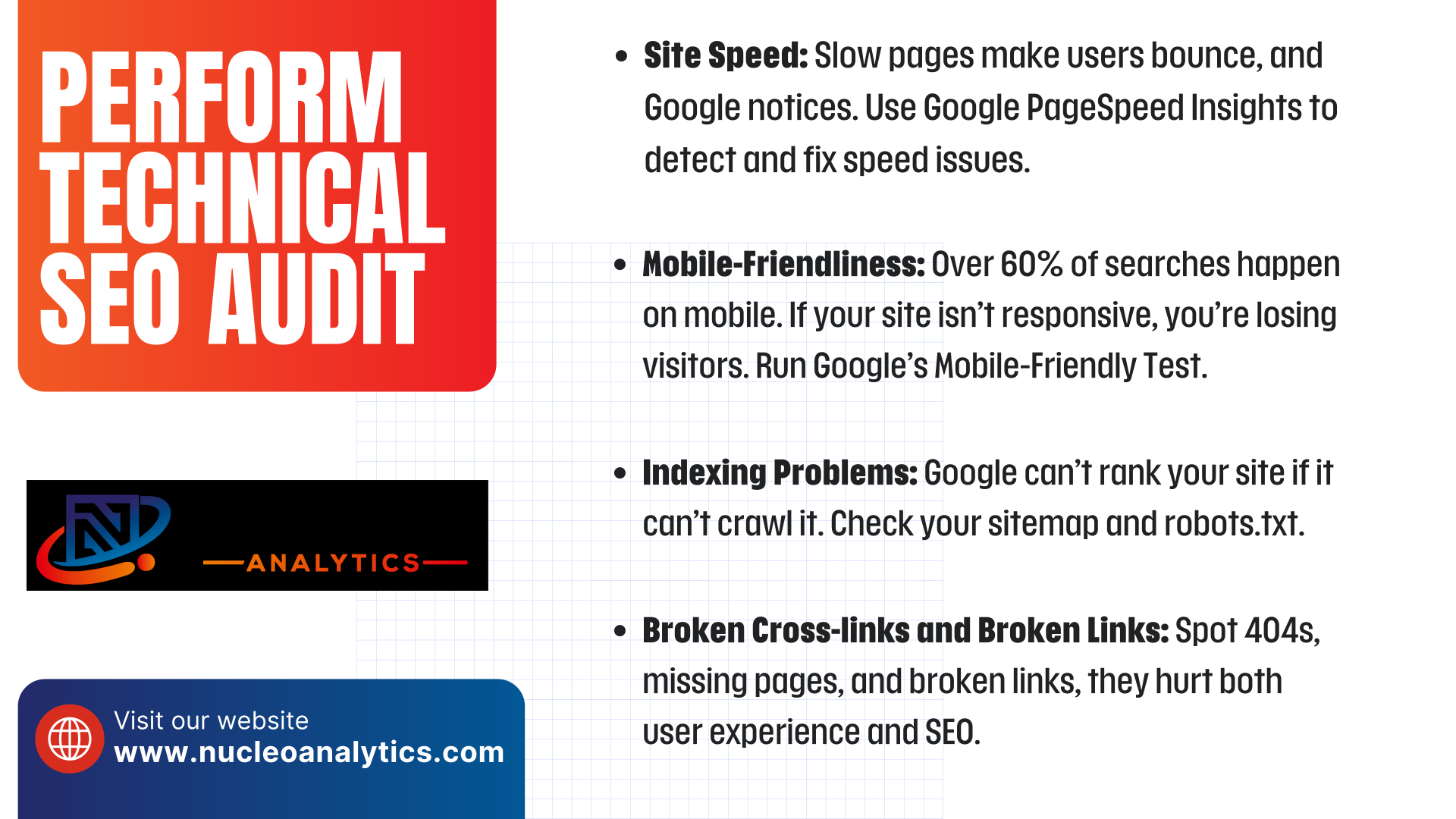
- Site Speed: When your pages take longer than expected, users bounce. Google notices it. Detect and solve speed issues using the Google PageSpeed Insights.
- Mobile-Friendliness: More than 60 percent of searches occur on mobile. Unless your site is responsive, you are losing. Use Google’s Mobile-Friendly Test.
- Indexing Problems: Google will not be able to rank your site unless it can crawl it properly. Test sitemap and robots.txt.
- Broken Cross-links and Broken Links: Find 404s, missing pages, and internal broken links. These are hurting user experience and SEO.
- Action Step: Fix technical issues promptly. With each passing day that a site is broken, rankings fall further.
3. Review Content Depth and Relevance
Google favors fresh, relevant and valuable content. You can easily lose positions when your content is boring or when somebody is doing it better.
Steps to Improve Content:
- Update Old Pages: Add new information, improve explanations, and remove outdated information.
- Make Content Deeper: Properly established, longer pages rank better. But do not fill it with fluffy content; every word should be meaningful.
- Match Search Intent: If your page is talking about a topic from a different angle than what users mean, rankings will decrease.
For example, if your Google ranking dropped dramatically after the new website launch, then you may have changed the structure of content or removed well-performing parts. Old pages versus new ones. Did you remove keywords? Did you reduce good content? Go back to what worked and then improve it.
4. Tighten Up On-Page SEO
Sometimes the answer is as simple as getting your on-page SEO under control.
Most Important Things to Optimize:
- Title Tags and Meta Descriptions: Keep them brief, full of keywords, and powerful.
- Header tags (H1, H2, H3): Headers provide the opportunity to structure the information logically and introduce the keywords in the most natural way.
- Internal Linking: Internal linking assists Google in understanding your site map. Create links to other pages on your site.
- Image Optimization: Speed up and add descriptive alt tags.
Pro Tip: Compare the pages of top-ranking competitors to yours. What do they have that you do not? More or better styling? Rich media (videos, infographics)? More complete FAQs? Do the same and do it better.
5. Improve User Engagement Metrics
Google monitors user activity on your page. When people click on your result and immediately bounce back, that is a negative indicator.
What to Improve:
- Make Reading Less Work: Bullet points, short sentences, and section labels.
- Add Visuals: charts, videos, and pictures keep users hooked.
- Make Page Design Better: A clean, professional look keeps users longer.
- Improve CTAs (Calls to Action): Direct users toward their next action, reading on, joining up, or calling you.
- Action Step: Use heatmaps and analysis software to track how users behave. With the help of a professional seo consultant, find where they drop off, then fix those places.
“Not sure which fixes will have the greatest boost? Let our SEO experts give your site a quick tune-up and identify the most important things to fix first. Contact Nucleo Analytics today and start climbing back up the list.”
6. Clean & Rebuild Your Backlink Profile
Backlinks are still a major ranking signal. But quality trumps quantity.
How to Fix Your Backlink Profile:
- Detect Toxic Links: Ahrefs or SEMrush will allow you to find low-quality links to your site.
- Disavow Spammy Links: In the Google Disavow Tool, indicate the links that Google is not supposed to count.
- Get Deluxe Links: Appeal to niche blogs, be listed in local directories, and ensure that others have content to link to.
7. Be Aware of Algorithm Updates & E-E-A-T Triggers
Google algorithm changes are often performed on low-quality or thin content, AI-written spam, or low-authority websites.
Prioritize E-E-A-T:
- Experience
- Expertise
- Authoritativeness
- Trustworthiness
Ensure that your site indicates who has written the content, why they are credible, and where the data is sourced. Include author descriptions, reference sources, and offer open contact information.
8. Bouncing Back After a New Website Launch
A lot of site owners report, “My Google ranking dropped dramatically after the new website launch.” Why is this?
Possible Reasons:
- URL structure changed, and redirects were not set.
- Content was removed or rewritten without keeping keywords relevant.
- On-page SEO was not migrated from the old website.
- Page speed or technical performance decreased.
Action Step: If you recently rolled out a new site and rankings dropped, compare the new with the old pages. Replace missing content, fix redirects, and ensure all SEO settings are properly migrated.
“Launched a new site and seen your rankings drop? We help businesses reclaim lost traffic in a hurry. Schedule a free consult with Nucleo Analytics, and back on page one you go.”
9. Ongoing Monitoring & Tracking
Getting your rankings back isn’t a Band-Aid solution. SEO is ongoing.
What to Keep an Eye On Week to Week:
- Keyword rankings
- Organic traffic trends
- Backlink profile changes
- Core Web Vitals performance
- Page updates and their impact
This enables you to respond quickly to any new drop before it becomes a disaster.
10. When to Call in Experts
There are times when, no matter how many repairs you implement, rankings don’t recover quickly. SEO gets too convoluted, especially after big algorithm changes or a website overhaul. If you’ve tried everything, technical repairs, content adjustments, link cleaning, and your traffic is not yet recovering, then it’s probably time to hire pros.
Indications That You Need Professional Help:
- You’ve lost more than 50% of your traffic within a few weeks.
- You believe you’ve been struck by a Google penalty, but aren’t sure how to verify.
- Your rankings have not moved despite a concerted effort over months.
- You lack the time and resources to handle ongoing SEO work.
Why Nucleo Analytics?
We at Nucleo Analytics specialize in regaining lost rankings and building strong, long-term SEO strategies. Our team consists of a group of professional seo consultant who digs deep into technical solutions, content optimization, and link-building to bring your site back to where it belongs at the top.
We don’t guess. We execute data-backed audits, utilize tested tactics, and keep an eye on results every step of the way. If your traffic crashed overnight or has been quietly declining, we can get you back on track quickly and ahead of the game.
Conclusion: Take Action Before It Gets Worse
Seeing rankings fall is frustrating. But doing nothing only makes things harder to fix later. Start by diagnosing the issue. Fix technical problems. Upgrade your content. Clean up backlinks. And monitor performance constantly.
Still confused, why is my Google ranking dropping? Keep in mind, SEO is not only about rankings, it is about creating a great, trustworthy site that users will enjoy and Google will also enjoy.
“Don’t let rankings sink further. Engage a top-rated seo company such as Nucleo Analytics to check your site, diagnose the causative element, and map out a recovery strategy. Call us now and regain your top positions.”